
Paper cups, explained before you order
What single wall, double wall and ripple actually mean, how cup sizes in oz and ml compare, and how to get the lid right the first time. Written for buyers.
Find a supplier in the directory Browse cups by type and sizeWhen a single wall cup makes sense
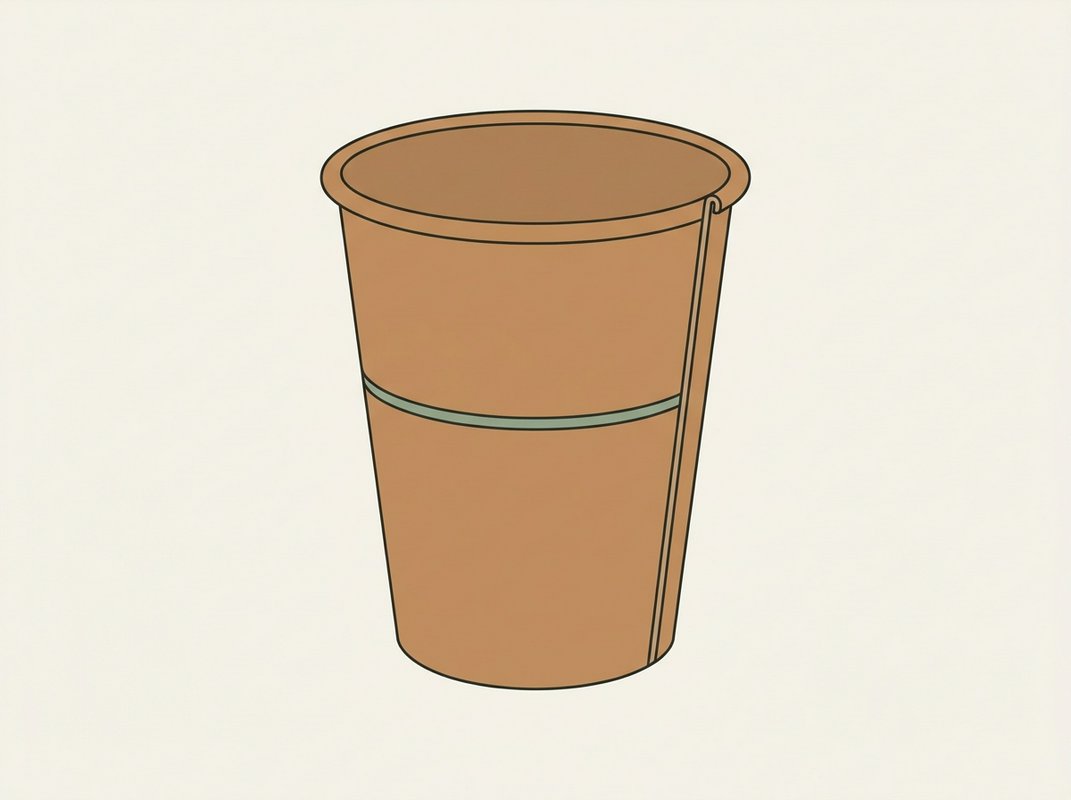
A single wall cup is made from one layer of paper, lined on the inside with a thin coating (usually plastic, sometimes a plant-based film) so the liquid does not soak through. It is the simplest cup on the market, and it costs less to buy than a double wall or ripple cup because it uses less material.
That single layer of paper carries heat well, so a hot drink poured into a single wall cup warms the outside of the cup almost as fast as it warms the drink. For cold drinks this does not matter, because the cup only has to hold the liquid. For hot drinks it does matter, and it is the reason single wall cups are usually paired with a separate sleeve.
Where it works well
- Cold drinks: iced coffee, soft drinks, water, smoothies
- Hot drinks drunk on the spot, where the cup is picked up and finished within a minute or two
- Large events where cost per cup matters and a sleeve is not practical to hand out with every drink
Where it runs into trouble
If you sell hot drinks for people to carry away, a bare single wall cup is uncomfortable to hold within a few seconds of pouring. You then need a sleeve as a second item to buy, store and remember to add, which is one more thing that can run out at the worst moment. A double wall cup or a ripple cup avoids that by building the insulation into the cup itself.
As a rough rule: if the drink is cold, single wall on its own is usually fine. If it is hot and leaving the counter, plan for a sleeve or choose a different cup type. Single wall cups are listed by size in the product index, alongside double wall and ripple options for comparison.
Why double wall cups don't need a sleeve
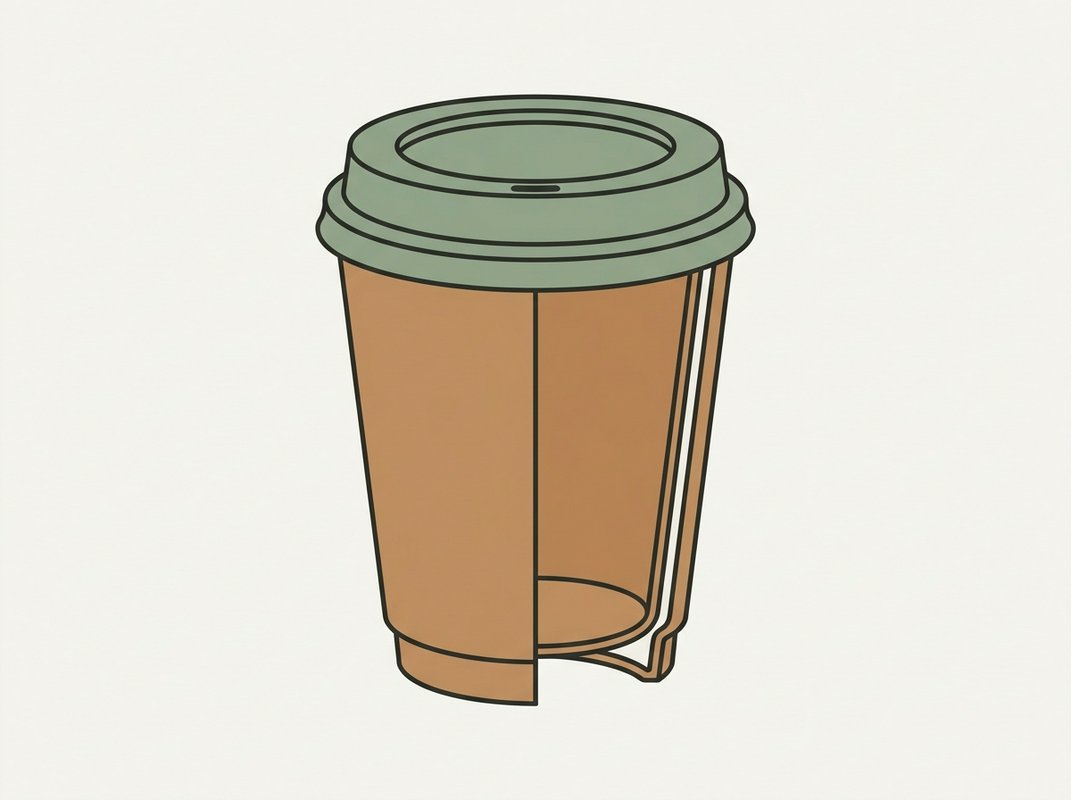
A double wall cup is made from two layers of paper with a thin gap of air between them. That gap does the same job as double glazing in a window: air is a poor conductor of heat, so it slows the heat from the drink reaching your hand. You can hold a double wall cup of hot tea or coffee without a sleeve and without discomfort.
That is the main reason buyers choose it. A single wall cup carrying a hot drink needs a separate coffee sleeve to make it holdable, which means stocking two products and fitting one to the other every time. A double wall cup does the job on its own, so if you serve hot drinks to take away and would rather not deal with sleeves at all, it is the straightforward choice.
It costs more than a single wall cup of the same size, and the reason is simply that it uses more board to make. You are paying for the extra paper. For a high-volume operation serving mostly takeaway hot drinks, many buyers find the saving on sleeves and the saving on staff time fitting them offsets a reasonable part of that extra cost, though the two are separate line items and worth checking against your own numbers rather than assumed.
When double wall is worth the extra cost
- You serve hot drinks for immediate takeaway and don't want to hold sleeve stock
- Your customers hold the cup directly, such as at events or from a coffee van.
- You want one product to manage.
If most of your drinks are served at a counter or table where the cup sits down between sips, a single wall cup with a sleeve on hand for the times it's needed can work out more economical. The guide's sections on single wall cups and on sleeves cover that trade-off in more detail, and the size section explains how cup volume is measured in oz and ml if you haven't ordered by those figures before.
Once you know whether double wall suits your service, the product index lists what's available by type and size, and the supplier directory shows who stocks it.
A ripple cup insulates without a second layer
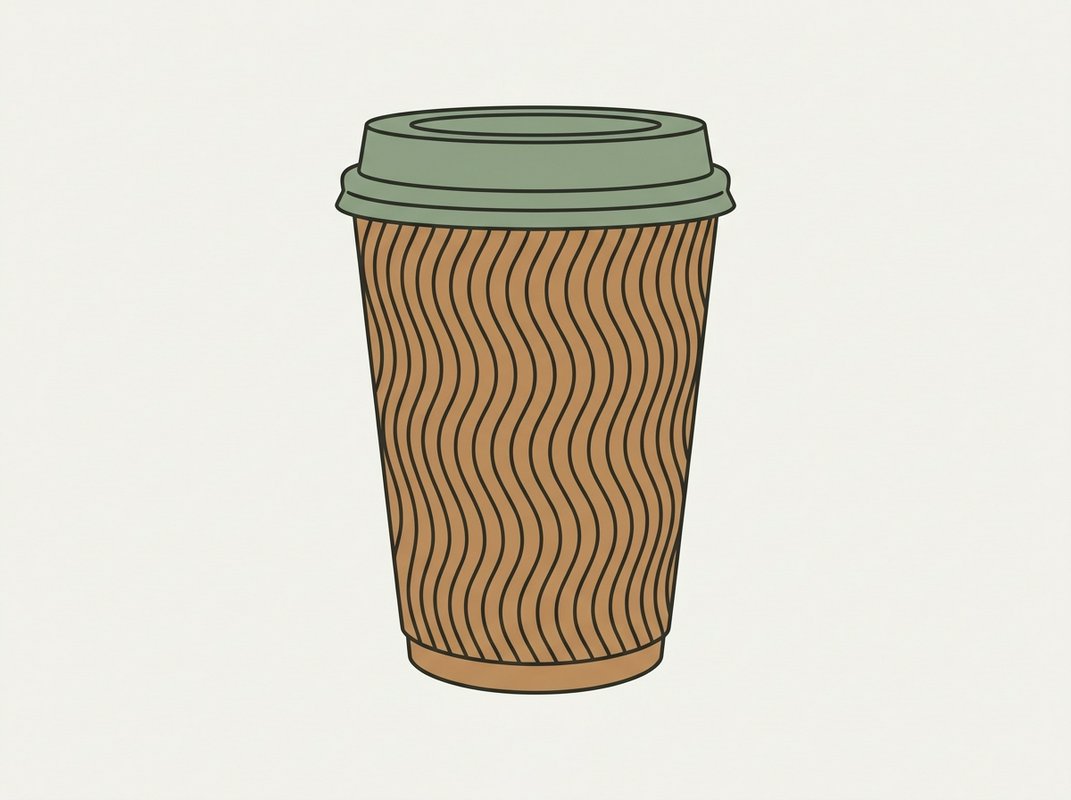
A ripple cup is a single wall cup (one layer of paper) with a corrugated paper wrap bonded round the outside. Look closely and you'll see rows of small ridges running around the cup, each one trapping a thin layer of air between the wrap and the cup wall underneath.
That trapped air does the same job as the air gap inside a double wall cup: it keeps your hand comfortable when the drink is hot, without you needing to hand out a separate sleeve. Because the wrap is bonded on during manufacture rather than added at the counter, there's nothing extra to stock, nothing for staff to forget, and no separate sleeve order to run short on.
Ripple and double wall differ in how they're built. A double wall cup uses two full layers of paper with air between them; a ripple cup uses one layer of paper plus a textured wrap, which is normally the cheaper of the two to produce. Some cafes also simply prefer the look and feel: the ridged texture is tactile in the hand.
If you serve hot drinks and want the insulation built into the cup rather than added at the till, it's worth comparing ripple against double wall on cost as well as feel before you decide. Both solve the same problem in your customer's hand; which one suits your business is usually a question of budget and presentation. You can browse ripple cup options by size in the product index once you know roughly what you're after.
Single wall vs double wall vs ripple
All three wall types exist to solve the same problem, keeping a hot drink comfortable to hold, but they solve it in different ways and at different points in the supply chain. Read across each row to see which one suits how you actually serve drinks, then check the sections above for the fuller explanation.
| Cup type | Best for | Needs a sleeve? | What to check |
|---|---|---|---|
| Single wall cupA single layer of paper, sometimes with a thin plastic or PLA lining inside to hold liquid. | Cold drinks, or hot drinks where a sleeve will be added separately | Yes, for anything hot. Without one the cup is too hot to hold comfortably | Rim diameter for lid fit, and whether the supplier sells a matching sleeve |
| Double wall cupTwo layers of paper with an air gap between them, built in at manufacture. | Hot takeaway drinks where you'd rather not stock sleeves at all | No. The air gap between the layers does the insulating | Board weight (GSM) of the outer layer, and which lid type fits |
| Ripple cupA single wall cup with a corrugated paper wrap bonded around the outside, giving the same air-gap effect a different way. | Hot drinks where you want insulation without moving to a full double wall cup | No. The ridges themselves create the air pocket | Whether the wrap is bonded to the cup or a separate ripple sleeve fitted at the point of sale |
This is general guidance based on how each design works, not a tested comparison. Board weight, lining material and lid compatibility vary by supplier, so confirm the specifics against the supplier's own product page before ordering.
What 4oz to 20oz actually means
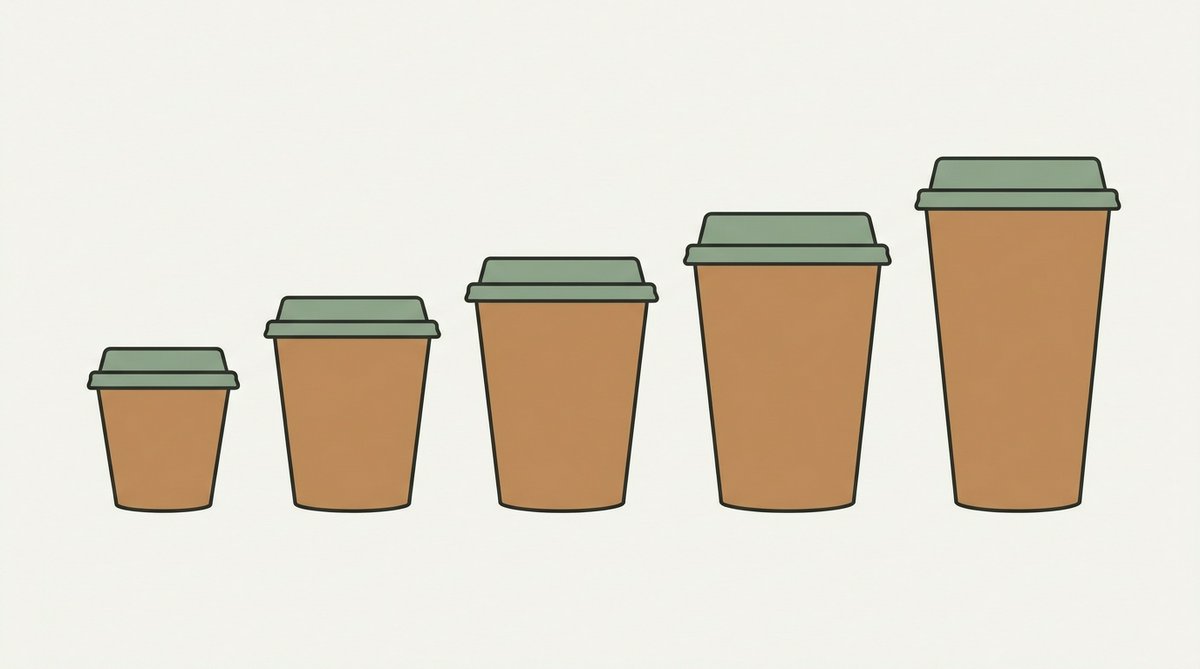
Paper cup sizes are given in fluid ounces (oz), often with the metric equivalent in millilitres (ml) written alongside. A fluid ounce is a measure of volume, not weight, so "12oz" tells you how much liquid the cup holds when filled close to the brim, not how big it looks sitting on a shelf.
UK suppliers do not all use the same convention. Some list a cup as "8oz / 230ml", others just write "8oz" and leave you to work out the metric figure. Searching or ordering by both together is a fair way to avoid picking the wrong cup by mistake.
Common sizes and what they're usually used for
- 4oz / 110ml: espresso shots and small tasting pours.
- 6oz / 170ml: small americanos, cappuccinos and vending-style drinks.
- 8oz / 230ml: a standard flat white or regular coffee size for most cafes.
- 10oz / 280ml: a step up for larger lattes or busier takeaway counters.
- 12oz / 340ml: the size most independent cafes and coffee vans treat as their default takeaway coffee.
- 16oz / 450ml: large coffees, iced drinks and some cold cup ranges.
- 20oz / 570ml and above: iced drinks, large soft drinks and venue-specific serves.
A cup marked 12oz rarely holds a full 12 fluid ounces right up to the rim. Suppliers build in a small gap so the lid seats properly and the drink does not slop on the walk from counter to customer, so the practical serving volume runs a little under the printed size.
Choosing sizes is as much about the till as the drink. Stocking fewer sizes keeps ordering simple and makes it easier to match lids without holding several boxes you rarely open, so many small operators settle on two, one for espresso-based drinks and one for larger or cold ones.
Why a lid fits a rim
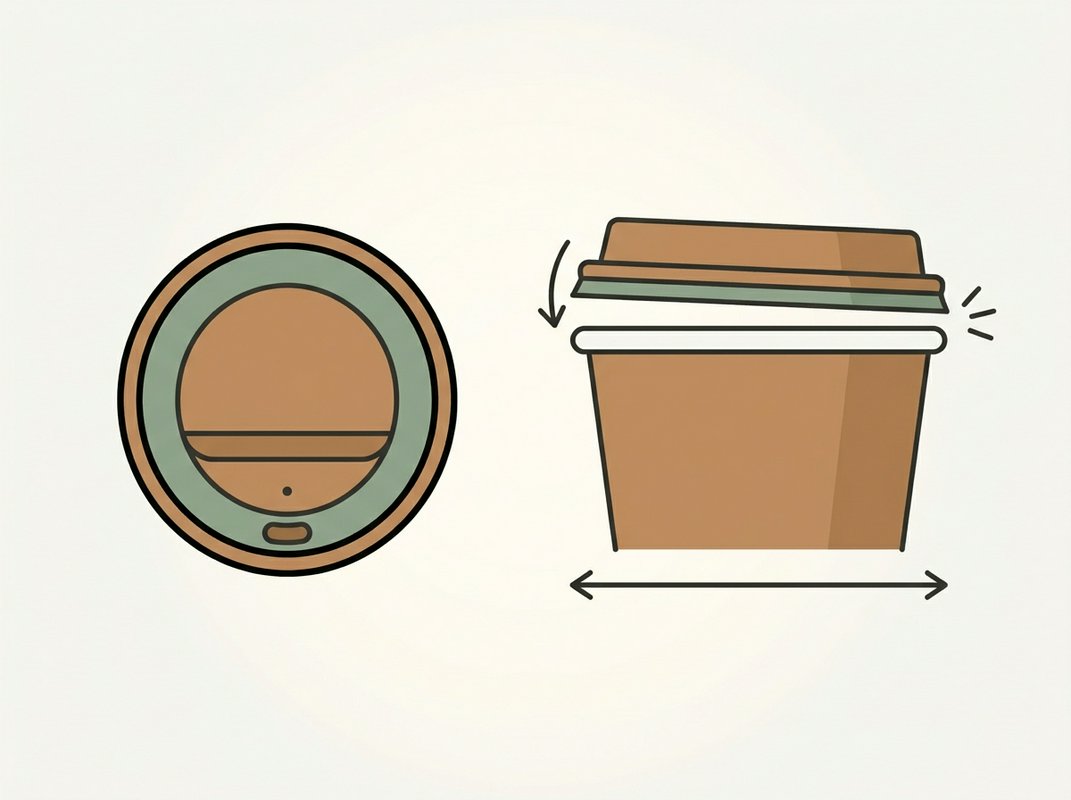
A lid fits a cup because the two rims match. Every cup has a rim diameter, the measurement across the open top, and every lid is moulded to sit on one specific diameter. Two cups that hold different amounts, say a 10oz and a 12oz, often share the same rim diameter and take the same lid, while two cups of the same size from different suppliers can have slightly different rims and need different lids. The volume printed on the cup tells you how much it holds. It does not tell you what will close it.
The practical way to check is to measure across the open rim of the cup. Suppliers who publish lid compatibility usually list it against rim diameter in millimetres, sometimes alongside the cup sizes it commonly matches. Where a supplier does not state which lids fit a given cup, that is a gap worth asking about before you order in volume, because a pallet of cups with no confirmed matching lid is an awkward thing to have delivered.
The main lid types
- Flat lid: sits level across the rim, usually with a small sipping hole or a tab you peel back. Common on cold cups.
- Dome lid: raised in the middle to leave room for cream, foam or ice above the rim of the cup.
- Sip-through lid: a flat or slightly domed lid with a fixed opening built in, the standard choice for takeaway hot drinks.
None of these types is tied to a particular cup size. A 12oz / 340ml cup can be sold with a flat lid, a dome lid or a sip-through lid, depending on what the supplier stocks and what the drink needs. What fixes the choice is always the rim.
If you already know the cup size and wall type you want, the cup types and sizes guide covers where each fits, and the product index lists cups by type and size with the lid options confirmed where suppliers have published them.
Do you need a sleeve, or is it already built in?
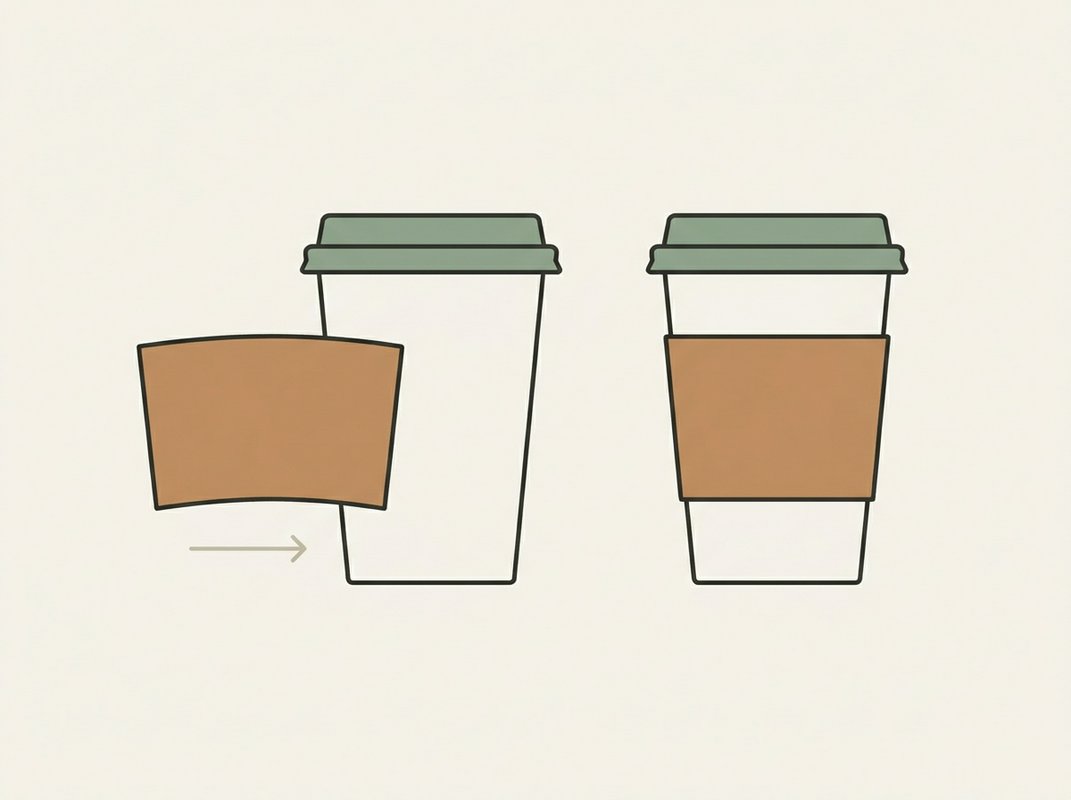
A sleeve, sometimes called a coffee sleeve, is a separate paper band that slides onto a cup after it's been filled. It sits between the hot drink and the customer's hand, doing the same job as the corrugated wrap on a ripple cup or the air gap inside a double wall cup, just added at the point of service rather than built into the cup itself.
Single wall cups need a sleeve for hot drinks because the cup wall is a single layer of paper, and one layer alone doesn't stop heat reaching the hand. If you're serving tea or coffee in single wall cups, sleeves have to be stocked alongside them and fitted to every hot drink at the counter.
Double wall and ripple cups don't need a sleeve because the insulation is already part of the cup, which is the main reason buyers choose one over the other. Single wall plus sleeve means two items to buy and stock and an extra step at the counter for every drink; double wall or ripple means one item and no extra step.
Sleeves do give you a plain surface to print on, and a printed sleeve (custom print) is often a smaller, quicker reorder than a full print run on a batch of double wall cups, so some venues keep single wall cups and sleeves for that reason alone. Trade terms like this are explained fully in the glossary.
As a rule of thumb: if hot drinks are a regular part of what you serve rather than an occasional one, it's worth weighing sleeve stock and staff handling time against simply buying a double wall or ripple cup instead. The product index lists both cup types and sleeves separately, so you can see what's actually available before deciding.
What does 'compostable' actually mean?
A paper cup is mostly paperboard, but board alone won't hold a hot or cold drink for long: the liquid will soak through within minutes. That's why almost every paper cup has a thin plastic lining fused to the inside of the board, and the type of lining is what decides how the cup can be disposed of afterwards.
The two common linings
Most paper cups are lined with polyethylene (PE), a standard plastic that keeps the cup waterproof but is not compostable and is not accepted in most household paper recycling, because recycling mills usually can't separate a thin plastic layer from the board it's bonded to. Some suppliers use a lining made from PLA (polylactic acid) instead, a plastic made from plant starch.
What a PLA lining does and doesn't mean
A cup lined with PLA is not automatically compostable in a garden heap or a standard food waste bin. PLA breaks down only under the heat and moisture of an industrial composting facility, conditions a home compost bin rarely reaches. Whether the cup actually composts depends on where it ends up after use.
What a compostable claim actually requires
A compostable claim should cover the whole cup, board and lining together, tested and certified against a recognised standard. A proper certification will state whether the cup composts industrially or at home, and over what timeframe. A cup without that certification behind it is not one to describe as compostable, however the materials are marketed.
What to ask your supplier
Before repeating a claim like 'eco-friendly' or 'biodegradable' to your own customers, it's worth getting specifics from the supplier directly:
- What is the cup lined with, PE or PLA?
- Is there a certification for compostability, and which standard is it tested against?
- Does the cup need an industrial composting facility, or is it suitable for home compost?
- Does your local recycling collection actually accept these cups, or do they need a specialist waste stream?
Suppliers vary in how much of this they publish, so if a claim matters to your customers, ask for it in writing.
You know what you need. Now find who sells it.
The directory lists UK suppliers by what they've confirmed on their own sites, so you can check who stocks the sizes and types you've just read about.